
Goalkeepers need strength for far more than simply looking powerful. You need it to hold your ground in crowded penalty areas, deal with physical contact, explode across goal when reacting to shots, and generate distance on throws, drop kicks, and long passes.
But strength is not built through goalkeeper drills and gym sessions alone. Recovery plays an equally important role. Training, diving, jumping, and absorbing impact several times a week place significant strain on your body, which means your nutrition needs to support the repair process.
This is where protein can help. It isn’t a magic solution, and it should never replace proper meals, but it can be a practical way to support recovery and muscle maintenance during a long football season.
Article Contents
Do Goalkeepers Need Protein Powder?
Not necessarily.
Most of the protein your body needs should come from normal foods such as meat, fish, eggs, dairy, beans, and balanced meals. If your diet already contains enough protein, supplements may not be essential.
However, many athletes still use protein powder for one simple reason: convenience.
After training sessions, gym workouts, or matches, it is often easier to drink a quick protein shake than prepare a full meal immediately. Protein supplements can help ensure your body receives the nutrients it needs to recover and adapt between sessions.
For goalkeepers who train regularly, lift weights, and play matches during the week, this can make recovery more consistent.
How Protein Supports Goalkeeper Performance
Goalkeeping is physically demanding in a unique way. Unlike outfield players who cover large distances running, goalkeepers rely on repeated bursts of explosive movement combined with heavy impact.
Diving saves, collisions in the box, sudden jumps, and repeated landings place stress on muscles, joints, and connective tissue.
A sensible protein intake can help support:
- muscle repair after training and matches
- maintenance of lean muscle during long seasons
- recovery after strength training sessions
- consistent energy levels across demanding weeks
Most of the body’s repair and adaptation processes occur outside of training, particularly during sleep. This is when your body uses nutrients — including protein — to rebuild muscle tissue and adapt to the workload you’ve placed on it.
How Much Protein Should Goalkeepers Eat?
Protein requirements vary depending on body weight, training intensity, and overall diet. However, general guidelines can provide a useful starting point.
For general health, adults typically require around 0.75g of protein per kilogram of body weight per day.
Athletes who perform regular strength training or intense sport often benefit from higher intakes.
For goalkeepers who train regularly, a sensible target often falls between:
- 1.2g – 1.8g of protein per kilogram of body weight
For example:
- 75kg goalkeeper → roughly 90–130g per day
- 90kg goalkeeper → roughly 108–160g per day
This doesn’t mean you need to chase the highest possible number. In most cases, consistency matters far more than trying to maximise intake.
Spreading protein across several meals during the day — including after training sessions — tends to work best.
Best Protein Powder for Goalkeepers
If you decide to use protein supplements, it is usually best to choose simple, well-established products rather than highly specialised “sports performance” formulas.
Goalkeeping shares many physical demands with other sports such as basketball, rugby, and handball. Because of that, the best protein powders for goalkeepers are usually the same reliable whey products used across many sports.
Here are two reliable whey protein brands that work well for most goalkeepers.
1. Optimum Nutrition
Optimum Nutrition is one of the most recognised sports nutrition brands in the world. Their products have been widely used in gyms and training environments for many years.
For goalkeepers, the appeal is their simplicity and reliability. The formulas provide strong protein servings, mix easily, and are widely available in multiple countries.
One of their most widely used products is Gold Standard 100% Whey, which has been a staple in sports nutrition for years. Rather than relying on marketing gimmicks, it focuses on providing a straightforward whey protein designed to support recovery after training.
- 24g protein per serving
- 5.5g naturally occurring BCAAs
- protein isolate as the main ingredient
- low sugar formula
- widely available worldwide
That makes Optimum Nutrition a reliable choice for goalkeepers who want a high-quality protein powder without overcomplicating their supplement routine.
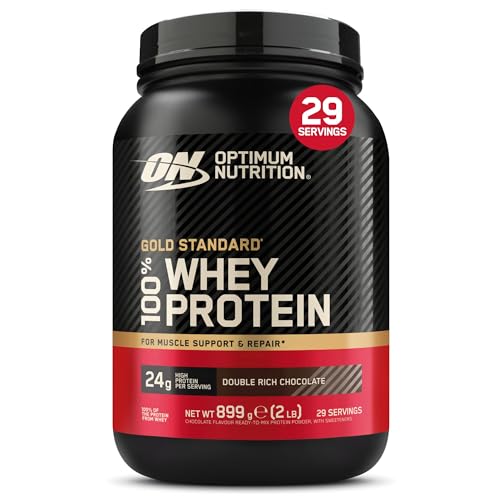
- 24g Fast-Absorbing Whey Protein
- Includes Naturally Occurring BCAAs & Glutamine
- Low Sugar & Low Fat Formula
- 29 Servings Per 899g Tub
🇪🇺 €40+ 🇺🇸 $35+ (typical)

2. MyProtein
MyProtein has become one of the largest supplement brands in Europe and remains particularly popular in the UK thanks to its aggressive pricing and frequent discounts.
The brand offers a large range of supplements, but one of the most popular products in their catalogue is Impact Whey Protein, which provides a simple and affordable whey protein option.
Despite its lower price point, it still provides a solid nutritional profile.
- 21g protein per serving
- 4.5g BCAAs
- 3.6g glutamine
- wide flavour range
- excellent value
For many goalkeepers, the appeal of MyProtein is simple — it offers a reliable whey protein at a more accessible price point.

- 23g Whey Protein Per Serving
- Includes Naturally Occurring BCAAs
- Low Fat & Low Carbohydrate Formula
- 40 Servings Per 1kg Bag
🇪🇺 €30+ (typical)
Should Young Goalkeepers Use Protein Powder?
For younger players, nutrition should focus first on proper meals, hydration, and recovery habits rather than supplements.
Most teenage goalkeepers can obtain the protein they need through normal foods such as:
- milk and yoghurt
- eggs
- chicken or fish
- beans and legumes
- balanced post-training meals
Protein powder may still be useful in certain situations — for example when training finishes late and preparing a full meal immediately is difficult.
But it should always be treated as a supplement to a healthy diet, not a replacement for proper nutrition.
Final Thoughts
Protein powder isn’t essential for every goalkeeper, but it can be a helpful tool for supporting recovery and maintaining muscle during demanding periods of training and competition.
The most important factors remain consistent training, sensible nutrition, and adequate rest.
If you decide to use a protein supplement, simple whey proteins from established brands such as Optimum Nutrition or MyProtein provide reliable options that fit easily into a goalkeeper’s training routine.
Used correctly, they can support the work you are already doing on the pitch and in the gym — not replace it.