
For goalkeepers, gloves are a crucial part of the kit. They don’t just protect your hands—they directly influence how well you catch, hold, and control the ball. But just how much do gloves affect a goalkeeper’s performance?
In this article, we’ll explore how goalkeeper gloves impact grip, protection, and overall performance, helping you understand what actually matters when choosing a pair.
The Impact of Goalkeeper Gloves on Performance
Goalkeeper gloves are designed to serve a few main purposes that can directly influence performance. Here are some of the key roles that gloves play:
- Enhanced Grip: Gloves are equipped with specialised latex palms to improve grip on the ball, particularly in wet or slippery conditions.
- Impact Protection: Gloves cushion the hands from the force of high-speed shots, reducing pain and lowering the risk of injury.
- Ball Control: With better grip and a larger surface area, gloves provide greater control, allowing goalkeepers to catch, punch, or deflect shots with more consistency.
- Increased Confidence: A well-fitting, high-quality pair of gloves can boost confidence, allowing goalkeepers to commit fully to saves and decisions.
Given these factors, it’s no surprise that gloves play a major role in both matches and training. However, their impact depends heavily on quality, fit, and how well they suit your style.
The Science Behind Goalkeeper Gloves
Gloves do influence performance, but not all gloves are equal. The key factors come down to materials, design, and how they interact with your hands.
The Importance of Latex Quality
The latex on a glove’s palm is one of the biggest factors in grip and overall performance.
Latex is used because of its naturally tacky surface. Higher-quality latex generally provides better grip and ball control, especially in demanding conditions.
Several factors contribute to the effectiveness of latex:
- Enhanced Tactile Sensitivity: High-quality latex allows you to feel the ball more clearly, improving catching accuracy and reaction to different shot types.
- Adaptability to Conditions: Gloves designed for specific weather conditions maintain more consistent grip. Wet-weather latex performs better in rain, while softer latex often excels in dry conditions.
In practice, even the best latex won’t perform well if the gloves are worn out or not maintained properly.
Balancing Protection & Control
The thickness of goalkeeper gloves creates a natural trade-off. Thicker gloves offer more protection, but can reduce feel and control.
Key considerations include:
- Protection vs. Dexterity: Extra padding helps absorb impact, but can limit finger movement. Thinner gloves improve control and feel but offer less protection. Most goalkeepers look for a balance depending on their level and playing conditions.
- Finger Protection Technology: Some gloves incorporate “Fingersave” technology, using spines to reduce hyperextension. This can help with injuries or confidence, but it does reduce flexibility and natural hand movement.
Finding the Right Fit
A snug fit is essential for control and comfort. Poorly fitting gloves can restrict movement or feel loose, both of which affect performance.
Key benefits of a proper fit include:
- Improved Reaction Times: Gloves that fit properly respond more directly to hand movement, which is crucial when reacting to fast shots.
- Reduced Fatigue: A good fit reduces unnecessary strain on the hands and fingers, helping you maintain performance over time.
A poor fit is one of the most common issues—too loose and you lose control, too tight and you restrict movement.
Choice of Glove Cut
The cut of a glove affects both fit and feel, with different styles suited to different preferences:
- Flat Cut: Offers a looser, more traditional fit with extra room inside the glove, but less direct ball contact.
- Roll Finger: Provides more surface contact with the ball, often improving grip when catching.
- Negative Cut: Delivers a tighter, more precise fit, enhancing control and ball feel.
Most goalkeepers develop a clear preference over time based on comfort and playing style. In recent years, hybrid cuts have also become increasingly popular, combining elements from multiple glove styles.
Gloves like the Rectrix Glory use a hybrid-style approach to combine the close fit of a Negative Cut with extra latex contact around the fingers, helping to maximise contact with the ball while maintaining a secure fit.
Recommended Hybrid Cut Goalkeeper Gloves
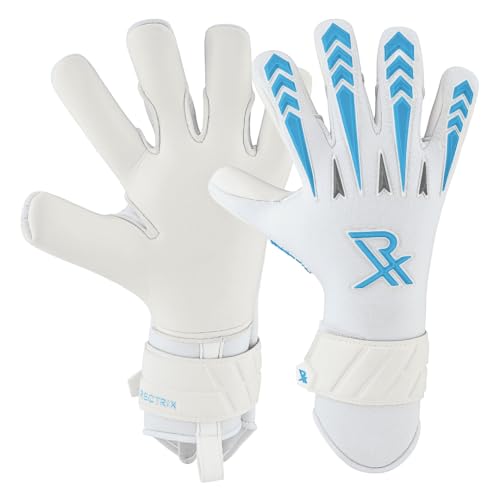
- 4mm Pro Contact Latex Palm – Reliable grip in wet and dry conditions
- Hybrid Geko Cut Fit – Close, responsive feel for better ball contact
- Lightweight Neoprene Backhand – Flexible comfort with natural movement
- Secure Wrist Support – Extended wrist entry with quick-adjust rubber tab
- Includes Carry Case – Mesh divider helps protect palms between sessions
🇺🇸 $79.97 (typical)
Impact on Confidence
Gloves don’t just affect physical performance—they also influence confidence. When you trust your gloves, you’re more likely to commit fully to saves.
Key insights include:
- Confidence: Reliable gloves can give you the confidence to attack the ball more aggressively, especially in difficult conditions.
- Psychological Comfort: Feeling protected reduces hesitation, allowing you to focus more on decision-making and positioning.
However, confidence should come from your technique first—gloves support performance, but they don’t replace it.
Discover which goalkeeper gloves the top pro keepers are wearing
Performance in Wet Conditions
Weather conditions have a major impact on glove performance, which is why many goalkeepers use different gloves depending on conditions.
Considerations for different conditions include:
- Dry Conditions: Standard latex gloves usually perform best, although very soft latex can become overly tacky in heat.
- Wet Conditions: Wet-weather gloves are designed to maintain grip in rain, helping reduce slips and improve handling.
In reality, no glove performs perfectly in all conditions, so choosing the right pair for the environment makes a noticeable difference.
Recommended Goalkeeper Gloves for Wet Conditions
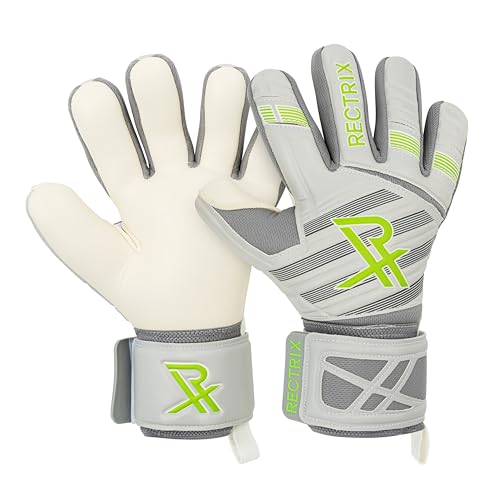
- 4mm Contact Latex Palm – Reliable grip in wet and dry conditions
- Negative Cut Fit – Close-fitting design for better ball control
- Secure Wrist Strap – Adjustable Velcro closure
- Breathable Backhand – Flexible foam with mesh panels
- Includes Zip Case – Protects gloves between sessions
🇺🇸 $59.97 (typical)
The Limits of Goalkeeper Gloves: What They Can and Can’t Do
While gloves provide grip, protection, and comfort, they aren’t a replacement for proper technique. Here’s a breakdown of what gloves can and can’t do:
1. Gloves Can Improve Grip, But Not Perfectly
Even the best gloves can’t guarantee perfect grip. Technique still plays a huge role, including hand positioning and timing.
Gloves also wear out over time, which gradually reduces their effectiveness—often more quickly than many goalkeepers expect.
2. Gloves Don’t Prevent All Injuries
While gloves help absorb impact, they don’t eliminate injury risk. Proper technique and hand positioning remain essential for staying injury-free.
3. Gloves Can’t Replace Proper Hand-Eye Coordination
Gloves improve grip, but reacting to shots still depends on coordination and decision-making. Goalkeepers should continue working on drills that improve reaction time and reflexes, using gloves as a tool—not a solution.
Conclusion
Goalkeeper gloves do affect performance, improving grip, providing protection, and boosting confidence. However, their impact depends on factors such as latex quality, fit, and glove design.
At the same time, gloves are only part of the equation. Technique, positioning, and decision-making remain far more important over the long term.
By choosing gloves that suit your style and the conditions you play in, you give yourself the best chance to perform consistently. The right pair of GK gloves supports your performance—but it’s how you use them that makes the real difference.